Discreet inspection and treatment
Bed Bug Exterminator
Des Moines, Iowa
Local Des Moines bed bug inspections, treatment services, and follow-up for homes, apartments, rentals, and hotels across Central Iowa.
Licensed & insured
Veteran-owned
Local Iowa service
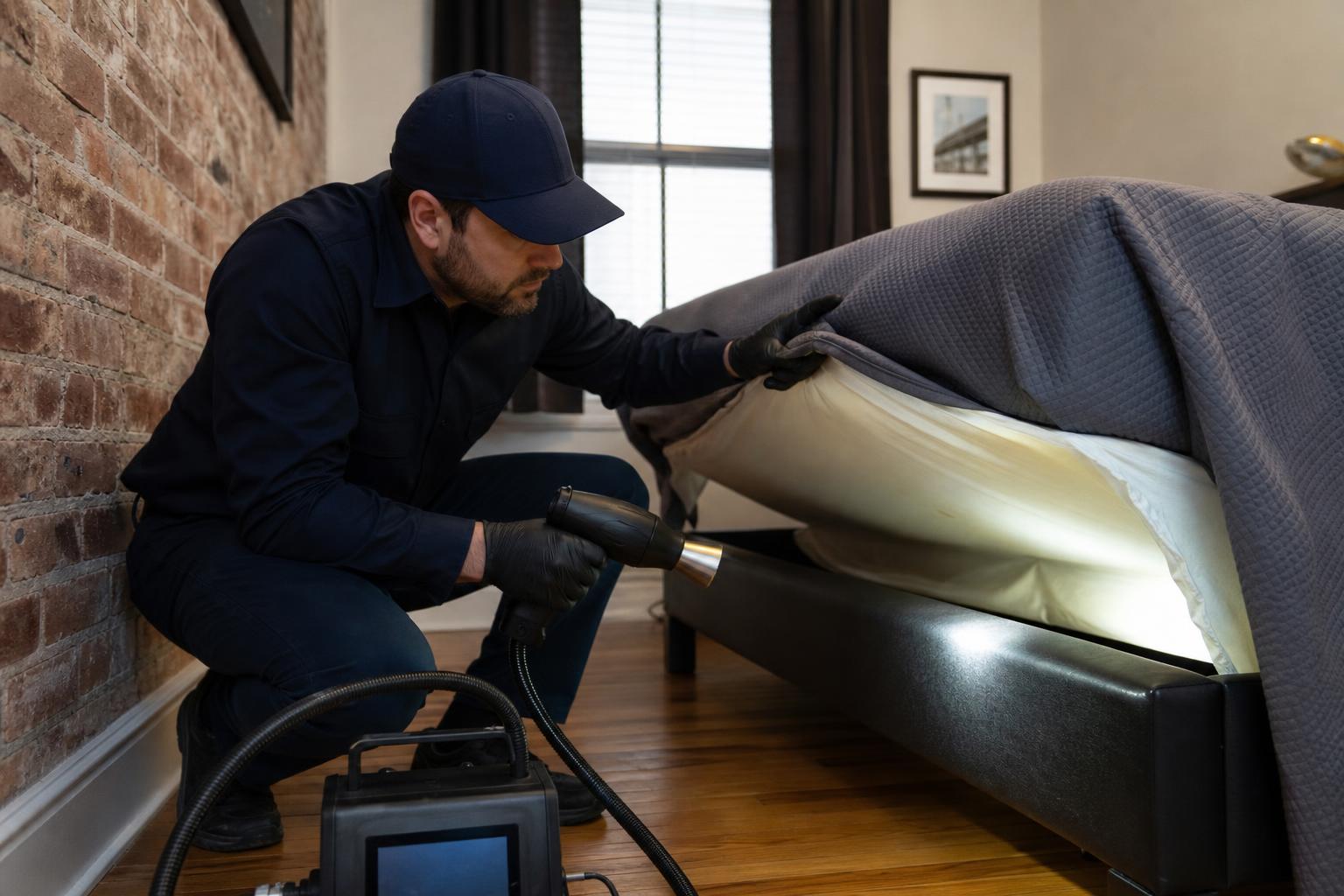
No judgment. Just a clear plan.
We inspect first, explain what we find, and recommend treatment based on your property.
Real bed bug reference photos
Does What You Found Look Like This?
Compare what you found with these real photographs. Eggs, spotting, shed skins, and live bugs are stronger evidence than bites alone. A professional inspection is the best way to confirm bed bugs.
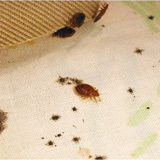
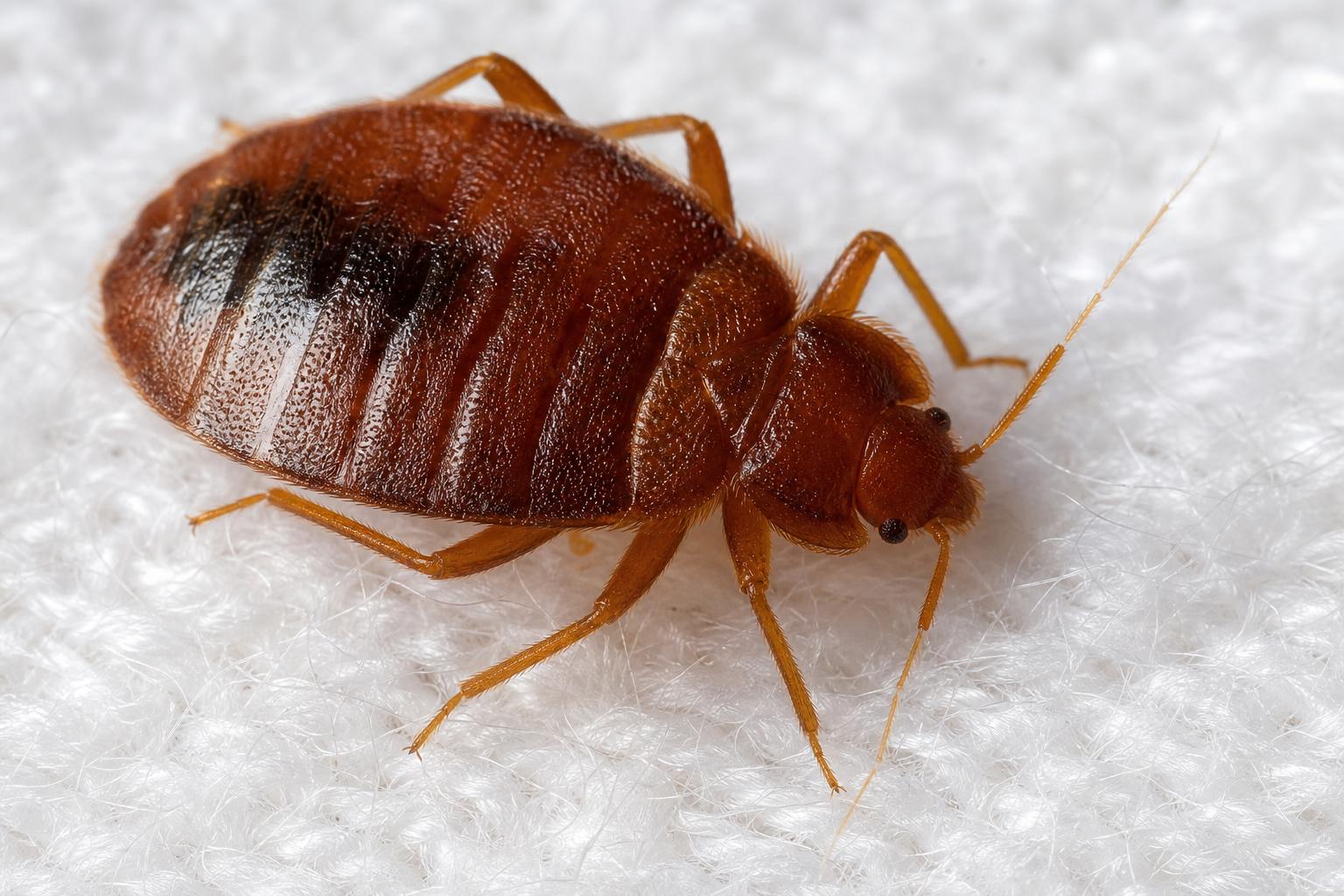
Adult bed bugs
Adults are flat, oval, reddish-brown, and roughly the size of an apple seed.
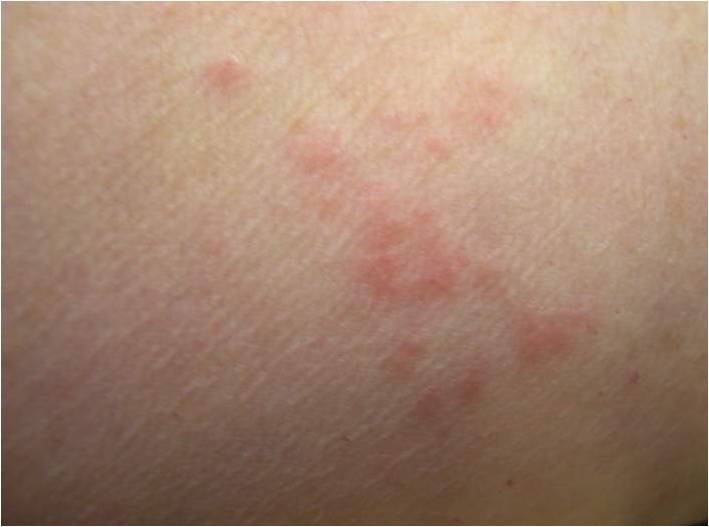
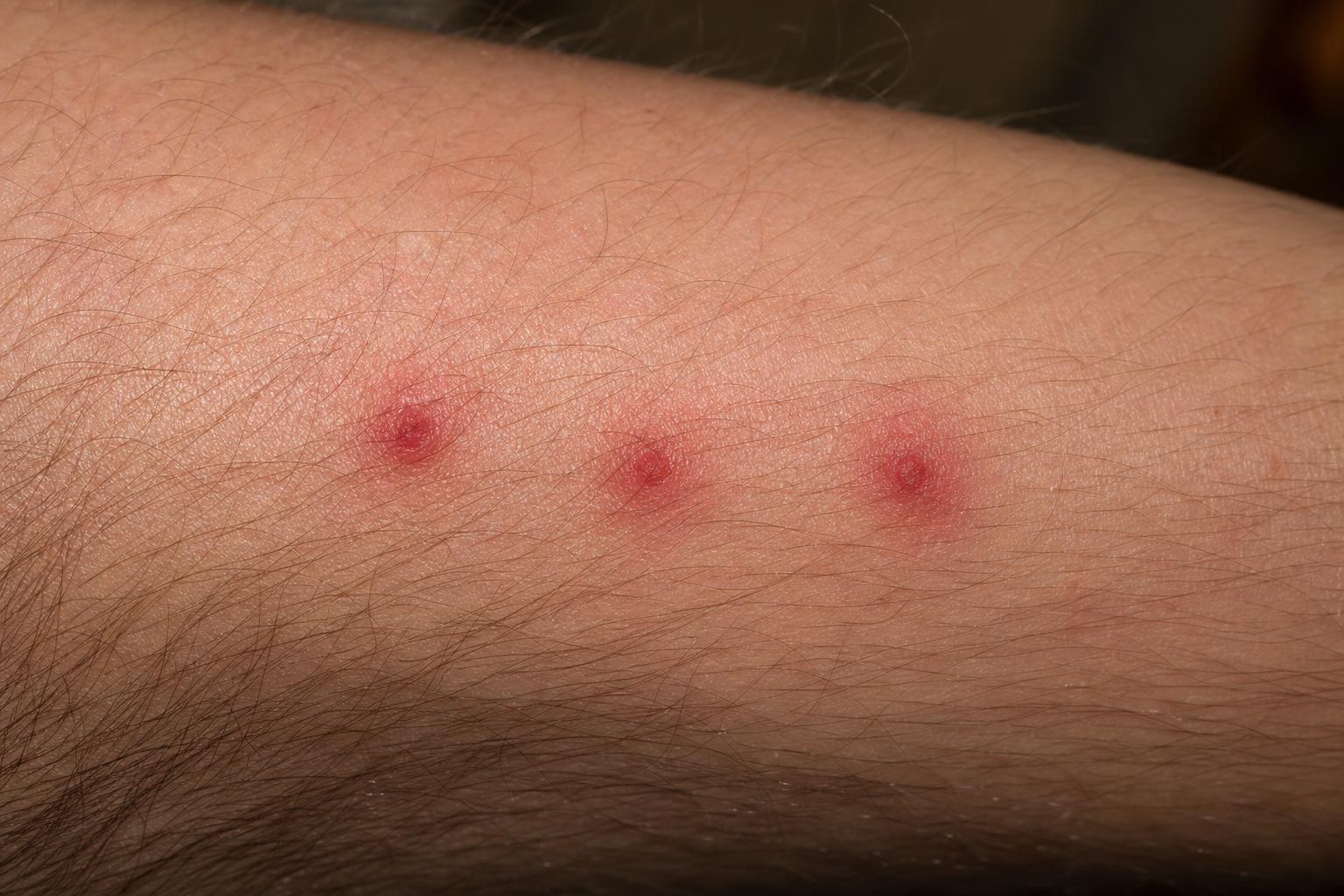
Possible bed bug bites
Bites may appear in lines or clusters, but bites alone cannot confirm an infestation.
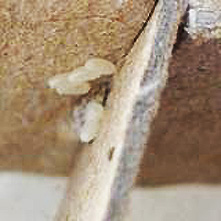
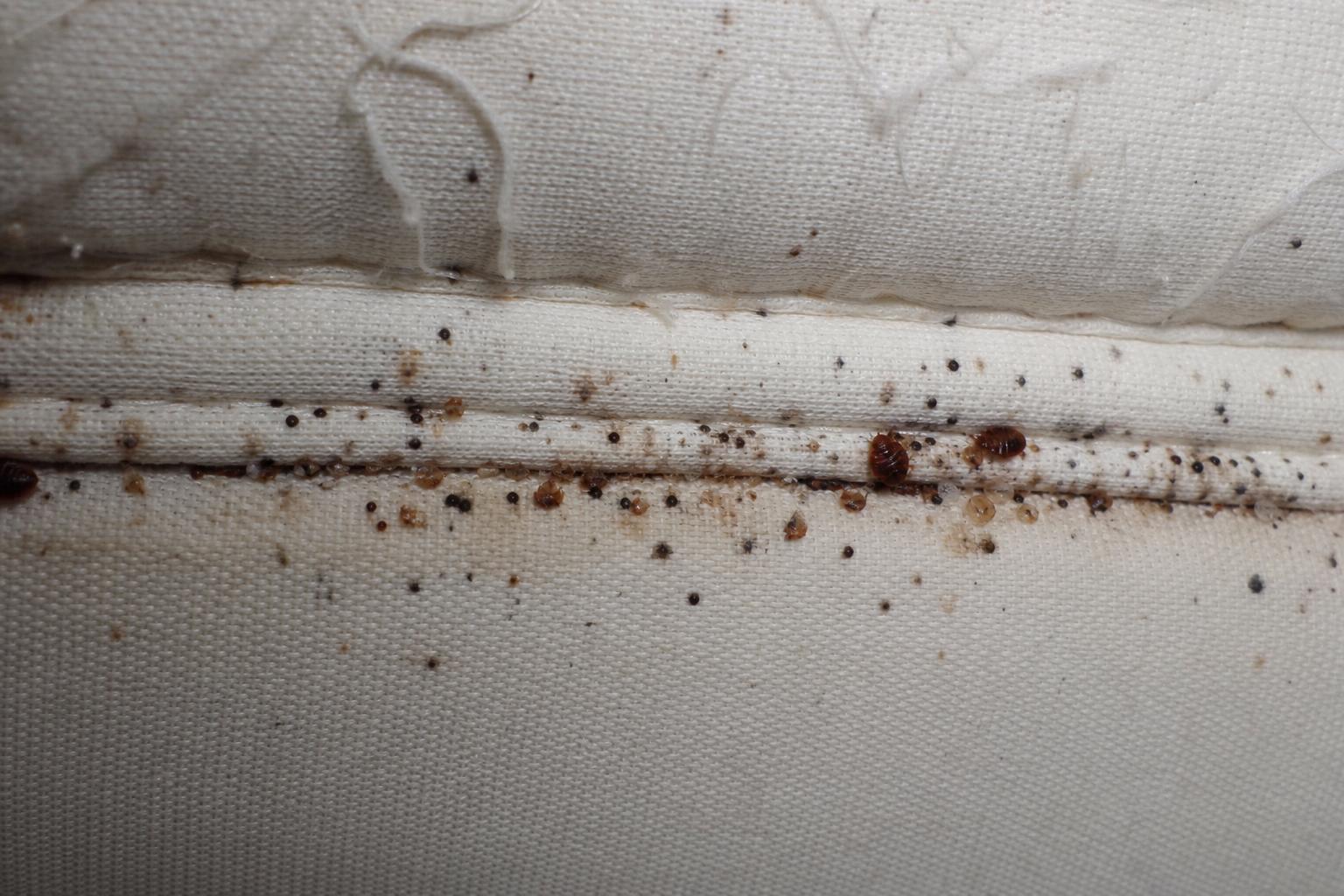
Bed bug eggs
Pearl-white eggs are about the size of a pinhead and often hide in seams and cracks.
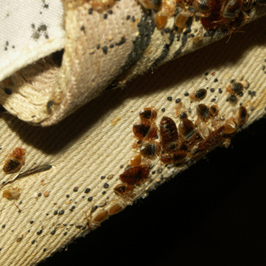
Fecal spotting and cast skins
Dark spotting, shed skins, eggs, and live bugs can collect along box spring fabric and seams.
Real reference photographs courtesy of the U.S. Environmental Protection Agency.
50+ Five-Star Google Reviews
See what Central Iowa customers say about Pest Control Techs LLC.
Our scope of work
What a Typical Bed Bug Treatment Looks Like
Your exact plan depends on the inspection, property, and infestation. A typical service may include these coordinated steps rather than relying on a single spray.
- 1
Identify and inspect
We inspect beds, furniture, baseboards, and nearby hiding areas to confirm activity and map the affected rooms.
- 2
Prepare the home
You receive clear instructions for reducing clutter, bagging items, moving furniture, and preparing each affected room.
- 3
Wash and heat-dry
Bedding and washable clothing are bagged, washed when appropriate, and dried on high heat before being sealed clean.
- 4
Vacuum targeted areas
Mattress seams, bed frames, baseboards, carpet edges, and visible harborages are carefully vacuumed before treatment.
- 5
Apply targeted treatment
EPA-registered products are applied to cracks, seams, voids, and other approved harborage areas according to the treatment plan.
- 6
Encapsulate mattress and box spring
Bed-bug-rated encasements may be installed to trap remaining bugs and simplify future inspections.
- 7
Install bed interceptors
Interceptor cups may be placed beneath bed posts to help isolate the bed and reveal continuing activity.
- 8
Monitor and follow up
We track activity, review interceptor findings, and schedule follow-up service when the treatment plan requires it.
Bed Bug Services in Des Moines and the Metro
Pest Control Techs LLC provides local bed bug inspections, extermination, treatment, and follow-up across Des Moines and Central Iowa.
Need bed bug treatment in Des Moines? Pest Control Techs LLC provides discreet inspection and treatment help for homes, rentals, and apartments.
Call (515) 420-0330Bed bugs in West Des Moines? We offer same/next-day inspection availability where route allows. Call (515) 420-0330.
Call (515) 420-0330Need bed bug treatment in Ankeny? Pest Control Techs LLC provides discreet inspection and treatment help for homes, rentals, and apartments.
Call (515) 420-0330Bed bug exterminator in Urbandale: licensed, insured, veteran-owned local service — not a national call center.
Call (515) 420-0330Bed bug treatment in Waukee for single-family homes, townhouses, and rental units. Discreet scheduling available.
Call (515) 420-0330Discreet bed bug inspection in Altoona, IA. Clear prep instructions and follow-up support included.
Call (515) 420-0330Local bed bug help in Johnston. We handle single rooms, whole homes, and multi-unit rentals.
Call (515) 420-0330Bed bug exterminator serving Clive — discreet appointments, no judgment, real solutions.
Call (515) 420-0330Need bed bug treatment in Norwalk? Pest Control Techs LLC offers thorough inspections and treatment options that fit your home.
Call (515) 420-0330Bed bug inspection and treatment help across Indianola and Warren County.
Call (515) 420-0330Bed bug help in Pleasant Hill for homeowners, renters, and property managers.
Call (515) 420-0330Local bed bug service in Grimes — fast scheduling, clear pricing after inspection.
Call (515) 420-0330You're stressed. We've done this thousands of times.
Bed bug calls are emotional. We get it. Our job is to inspect honestly, explain what we're seeing, and give you a real plan — not a high-pressure sales pitch.
Learn more about our PCT bed bug treatment services.
- Veteran-owned Iowa pest control company (SDVOSB certified)
- Local service, not a national call center
- Discreet scheduling — no marked trucks parked out front
- Clear, printable prep instructions
- Follow-up visits and support included in your plan
- Residential, rental, apartment, and commercial help
- Licensed and insured
- No judgment — we just solve the problem
Bed Bug Inspection Des Moines: What to Look For
Most people never see a live bug first — they spot the evidence. Inspect with a flashlight along mattress seams, the headboard, box spring, and behind nightstands.
- Itchy red bites in lines or clusters (often 3 in a row)
- Small blood spots or smears on sheets and pillowcases
- Black or rust-colored fecal spots along mattress seams
- Translucent amber shed skins from molting nymphs
- Live bugs hiding in mattress seams, headboards, and box springs
- A sweet, musty odor in heavy infestations
Not sure what you found? Call or request an inspection.
(515) 420-0330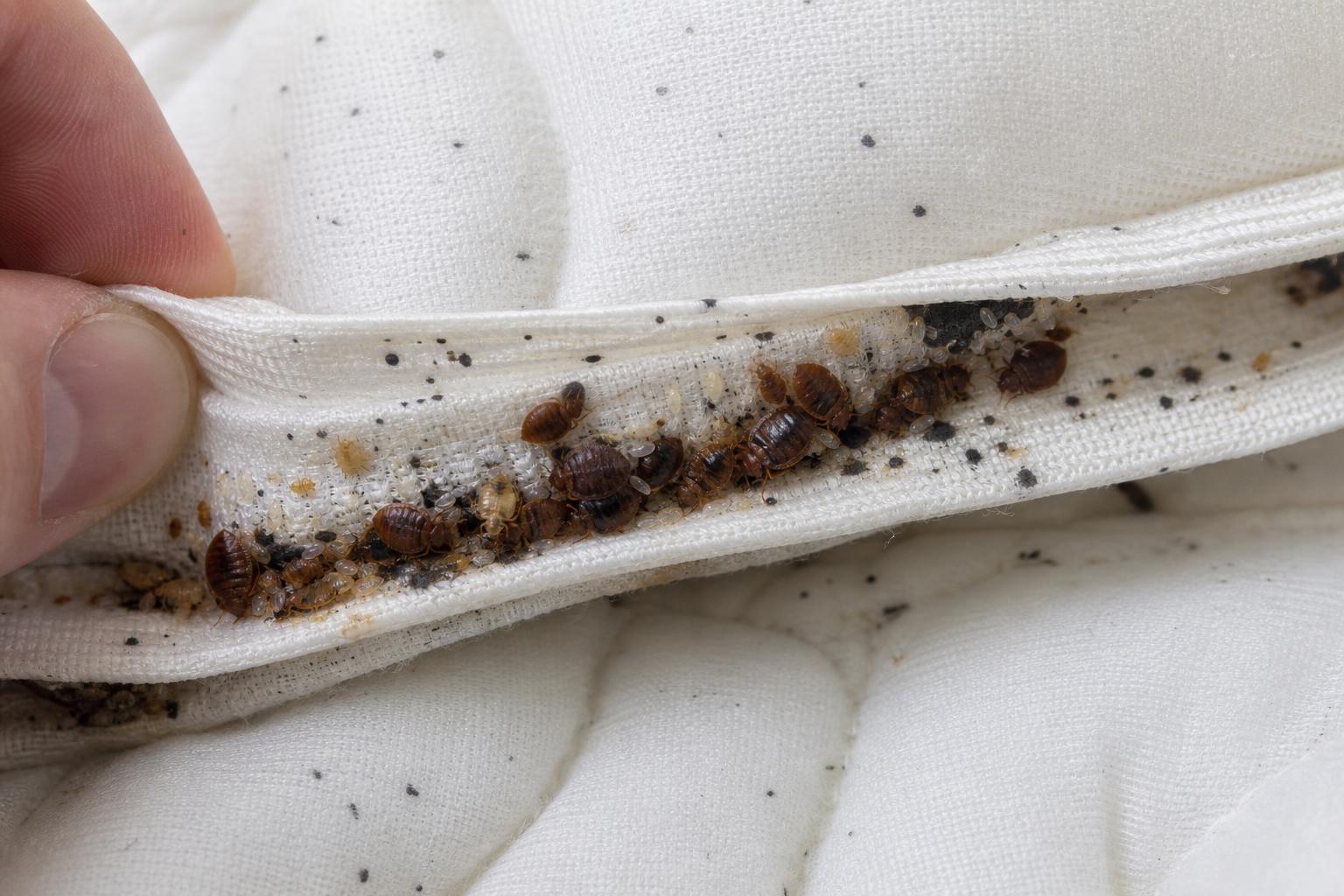
Bed Bug Treatment Options
Every home is different. Inspection determines the best plan — we don't promise one-visit elimination, and we don't sell you a plan you don't need. Follow-up may be recommended depending on what we find.
Inspection
Every job starts with inspection. We confirm activity, find harborage zones, and recommend the right plan.
Chemical / Residual Treatment
EPA-registered products applied to seams, cracks, and harborage zones — typically across multiple visits 14 days apart.
Heat Treatment Guidance
When appropriate, heat options can be recommended or coordinated to kill all life stages in a single visit.
Steam & Spot Treatment
High-temperature steam to spot-treat mattresses, couches, and seams with no chemical residue.
Mattress Encasements
Bug-proof encasements trap survivors and make ongoing monitoring easy. Pairs with any treatment plan.
Follow-Up Visits
Most chemical programs require 2–3 visits. We schedule and follow through — not a one-and-done sales pitch.
Pre & Post-Treatment Checklists
Proper prep is the single biggest factor in whether bed bug treatment succeeds the first time. Walk through these room by room.
- 1Strip beds and bag all bedding in sealed plastic right at the bed.
- 2Wash bedding/clothing in HOT water and dry on HIGH heat for 30+ minutes.
- 3Vacuum mattress seams, box springs, baseboards, and carpet edges. Seal and discard the vacuum contents outdoors.
- 4Pull beds and furniture 18" from the walls so the technician can reach harborage zones.
- 5Empty nightstands and dressers in affected rooms — bag items, do NOT move to other rooms.
- 6Reduce clutter. Every pile of clothes or stack of boxes is a hiding place.
- 7DO NOT use store-bought sprays or bug bombs — they scatter bed bugs deeper into walls.
- 8Plan to be out of the home with pets for the duration the technician specifies.
- 1Keep sleeping in your own bed in the treated room — moving spreads them.
- 2Install a bed bug-proof mattress and box spring encasement and leave it on at least 12 months.
- 3Use interceptor cups under bed legs to monitor for new activity.
- 4Do NOT vacuum or wipe treated baseboards for 7–14 days (chemical residual is still working).
- 5Expect to see a few dying bugs for up to 2 weeks. This is normal.
- 6Keep all scheduled follow-up visits — they cover the egg-hatch cycle.
- 7Report any new live bugs to your technician (photo or sealed bag).
- 8Avoid bringing in second-hand furniture during the treatment cycle.
Tips to Avoid Bed Bugs
Bed bugs almost always arrive as hitchhikers. A few habits dramatically reduce your odds.
Lift mattress seams and headboards, elevate luggage on the rack, and run all clothing through a hot dryer when you get home.
Never bring home curbside furniture, mattresses, or box springs. Inspect every seam and screw hole with a flashlight first.
Bug-proof encasements on every mattress make early detection easy and trap anything that slipped past.
Bed bugs love hiding spots. Store items in sealed plastic bins, not cardboard boxes or piles.
Unpack luggage in the garage or bathtub and dry clothing on high heat for 30 minutes before putting it away.
Inspect mattress seams the same night anyone wakes with unexplained itchy welts. Early infestations are cheaper to treat.
Bed Bug Treatment for Apartments and Rentals
We work with landlords, property managers, and HOAs across the Des Moines metro. Fast communication, discreet tenant coordination, and clear paperwork.
- Discreet tenant coordination
- Multi-unit inspections
- Printable tenant prep sheets
- Follow-up plans included
- Fast email/phone communication
- Invoice-friendly service
Des Moines Bed Bug FAQ
Need Bed Bug Help in Des Moines Today?
Discreet, local, and ready to help.